
Thinking about voting in Australia for the first time, or maybe just need a refresher? It’s not as complicated as it might seem. We’ve got federal, state, and local governments all doing their own things, and then there’s the whole process of signing up, figuring out who to vote for, and actually getting your vote in. Plus, understanding how those ballot papers work, especially with the Senate, can be a bit of a puzzle. Let’s break down voting in Australia so you feel ready for election day.
Key Takeaways
- Australia has three levels of government: federal, state, and local, each with different responsibilities that sometimes overlap.
- Voting and enrolling to vote are compulsory for Australian citizens aged 18 and over, with potential fines for not complying.
- The Australian voting system uses preferential voting for both the House of Representatives and the Senate, meaning you number candidates in order of preference.
- You have several options for casting your vote, including on election day, through early voting centres, or by post if you’re overseas or unable to attend a polling place.
- Your vote is important for shaping the nation’s future, holding leaders accountable, and ensuring your voice is heard on issues that matter.
Understanding the Australian Electoral System
Australia has a federal system of government, which means power is divided between different levels. It’s not just one big government making all the decisions.
Levels of Government in Australia
There are three main tiers: the federal (or Commonwealth) government, state and territory governments, and local governments. Each has its own responsibilities, though some overlap. Think of it like a set of nested dolls, each one containing another, but all working towards the same overall goal of governing the country.
The Role of Federal, State, and Local Governments
The federal government handles things that affect the whole country, like national defense, foreign policy, and currency. State and territory governments manage areas within their borders, such as hospitals, schools, and public transport. Local governments, like city councils, deal with local services like waste collection, parks, and local roads. It’s a way to make sure that decisions are made at the most appropriate level, closer to the people they affect. The structure is laid out in Part IV of Chapter 1 of the Australian Constitution.
Shared Responsibilities Across Government Tiers
While each level has its own job, some things are shared. For example, both federal and state governments might be involved in funding infrastructure projects or environmental protection. This cooperation is pretty common and helps ensure that services are delivered effectively across the nation. It’s a complex system, but it’s designed to provide a framework for how Australia is run.
Enrolling and Casting Your Vote
Alright, let’s talk about getting yourself ready to vote in Australia. It’s pretty straightforward, but there are a few things to keep in mind to make sure your voice is heard.
Compulsory Voting and Enrolment
So, here’s the deal: if you’re an Australian citizen and you’re 18 or older, you have to enroll to vote, and you also have to vote in federal elections. It’s not really optional. If you don’t, you could end up with a fine, and nobody wants that. The deadline to get enrolled for an election is usually pretty close to the actual voting day, so don’t leave it too late. It’s best to get it done well in advance.
How to Enrol to Vote
Enrolling is actually quite simple. You can do it online through the Australian Electoral Commission (AEC) website, or if you prefer, you can fill out a paper form. The online method is usually the quickest. You’ll need some basic information, like your Australian driver’s licence number or Medicare card details to confirm your identity. Once you’re enrolled, you’re good to go for future elections too, unless you move.
Checking and Updating Enrolment Details
Life happens, right? You might move house, change your name, or just want to double-check that everything is correct. It’s really important to keep your enrolment details up-to-date. You can easily check your current enrolment details and make any necessary changes on the AEC website. Just head over to their ‘check my enrolment’ page. Staying current means you won’t have any issues when it’s time to cast your ballot, and you’ll get all the correct information sent to you. It’s a good idea to check this every year or so, just to be safe.
Navigating the Ballot Paper
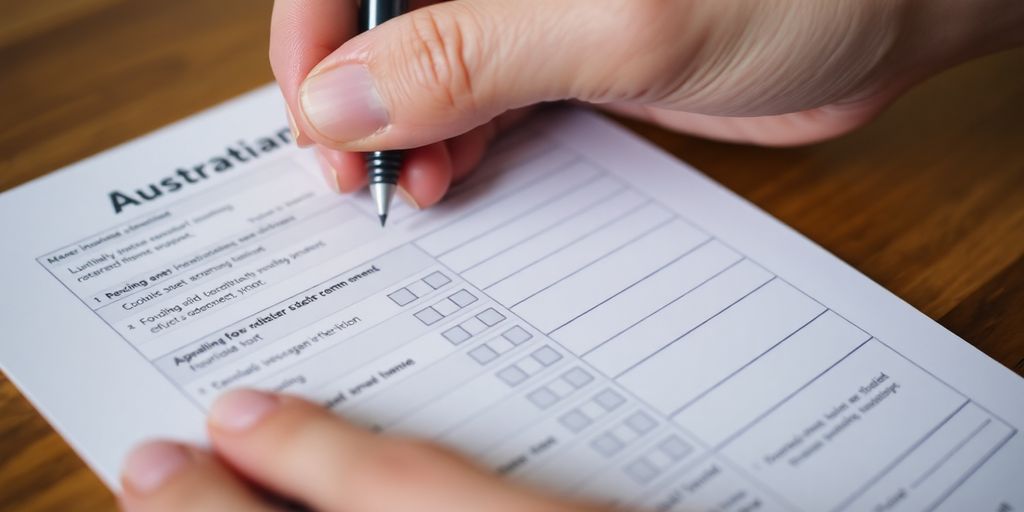
So, you’ve got your ballot paper, and now what? It might look a bit confusing at first, especially if it’s your first time voting. Australia uses a system called preferential voting, which means you get to rank the candidates. It’s not just about picking one person; it’s about telling the system who you’d prefer if your first choice doesn’t win.
Voting for the House of Representatives
When you vote for the House of Representatives, you’ll see a list of candidates for your local area, called an electorate. To make your vote count, you need to number every box on the ballot paper, starting with ‘1’ for your most preferred candidate. Then, put ‘2’ next to your second choice, ‘3’ for your third, and so on, until you’ve numbered every single candidate. If you miss a box or don’t number all of them, your vote might not be counted properly, which is called an informal vote. It’s really important to fill out the whole paper.
Voting for the Senate: Above and Below the Line
The Senate ballot is usually a bit longer and can seem more complicated. You have two main options here: voting above the line or below the line.
- Above the Line: This is the simpler option. You just need to number at least six boxes starting from ‘1’ for the parties or groups you prefer. The parties then distribute your vote according to their pre-arranged ticket.
- Below the Line: If you want to choose the specific candidates you want to represent you, you’ll vote below the line. This means you need to number at least 12 boxes, again starting with ‘1’ for your top pick, ‘2’ for your second, and so on, for individual candidates.
It’s your choice which way you vote, but make sure you follow the instructions carefully for whichever method you pick.
Understanding Preferential Voting
Preferential voting is how Australia decides who wins. Let’s say you vote ‘1’ for Candidate A, ‘2’ for Candidate B, and ‘3’ for Candidate C. If Candidate A gets more than half of the votes (an absolute majority), they win straight away. But if they don’t, the candidate with the fewest votes (Candidate C in this case) is eliminated. Their votes are then redistributed to the next preference on those ballot papers – so, if a voter had ‘3’ for Candidate C, their vote now goes to Candidate B. This process continues until one candidate has more than 50% of the votes. It’s a way to make sure the winner has broad support.
It might seem like a lot of numbering, but taking a few minutes to understand how to fill out your ballot paper correctly means your voice will be heard. Don’t be afraid to ask for a sample ballot paper at the polling place if you’re unsure. Making sure your vote is formal is the first step to influencing who represents you.
Options for Voting
So, you’ve got to vote, but maybe election day itself just doesn’t work for you. That’s totally fine, because Australia gives you a few different ways to get your ballot in. It’s all about making sure everyone who’s enrolled can actually have their say, which is pretty neat.
Voting on Election Day
This is the classic way most people think about voting. On election day, which is always a Saturday, polling places open up from 8 AM to 6 PM. These are usually in local spots like schools or community halls. You can actually vote at any polling place in your state or territory, not just the one closest to your home. So if you’re out and about, you can still find a place to cast your vote. Just remember to bring your ID, though it’s not strictly required to vote, it can speed things up if they need to check your enrolment.
Early Voting Options
Life happens, right? If you can’t make it on election day, you don’t have to miss out. Australia has early voting centres set up in various locations before the official election day. These usually start a couple of weeks before the election. You don’t typically need a special reason to vote early, but it’s always good to check the specific rules for that election. Another option is a postal vote. You can apply to have a ballot paper sent to you, which you then fill out and mail back. This is really handy if you’re going to be away from your usual voting area, or if you just prefer to vote from home.
Voting from Overseas or Remotely
What if you’re living abroad or traveling when an election is on? Don’t worry, you can still vote! The Australian Electoral Commission (AEC) sets up overseas voting centres in some countries, or you might be able to vote by post from overseas. If you’re in Australia but in a remote area, or perhaps in a hospital or aged care facility, there are also mobile polling teams that visit these places. For those who are blind or have vision impairment, there’s even a telephone voting service available. It really covers a lot of bases to make sure everyone’s voice can be heard.
It’s important to know that even if you’re not voting in your own electorate, you can still cast a valid vote for the House of Representatives. You’ll just get a ballot paper with all the candidates listed, and you can number them in order of preference. For the Senate, you’ll have the choice to vote above or below the line, which we’ll get into more detail about later.
The Significance of Your Vote

So, why bother with all this voting stuff? It might seem like a small thing, especially if you’re new to it, but your vote actually carries a lot of weight. Think of it as your chance to have a say in how the country is run. It’s not just about picking a name; it’s about deciding what kind of Australia you want to live in and who you trust to make the big decisions.
Elections are a real opportunity to shape what happens next. You get to decide who represents your area and what ideas get a platform in Parliament. It’s your way of telling leaders what matters to you, whether that’s about the economy, the environment, or something else entirely. Your vote is your voice, and it’s a powerful one.
Here’s a quick look at why it’s so important:
- Shaping the Nation’s Future: Every election is a chance to influence the direction the country takes. The people elected make laws and policies that affect everyone, from healthcare and education to jobs and the environment. Your vote helps decide who gets to make those calls.
- Holding Leaders Accountable: Voting is a way to keep politicians on their toes. If you’re not happy with what the current leaders are doing, you can vote for someone else. It’s a direct way to show whether you approve of their performance or not.
- The Importance of Every Vote: Sometimes people think their single vote won’t make a difference, but that’s really not true. In close elections, even a handful of votes can change the outcome. Every single vote counts towards the final result, and it all adds up.
It’s easy to feel like one person can’t change much, but when everyone thinks that, nothing changes. When you vote, you’re joining with lots of other people who also want to see things done a certain way. It’s a collective action that really does have an impact on who leads the country and what policies they put in place.
Understanding Political Representation
Understanding how political representation works in Australia is key to grasping how our democracy functions. It’s not just about casting a vote; it’s about understanding the players and the system that puts them in power.
The Role of Political Parties
Political parties are basically groups of people who share similar ideas or goals. They get together to try and get their members elected to government so they can put their ideas into action. Think of them as teams working towards a common objective. When people join a party, they can help shape its policies and even pick who gets to run as a candidate in elections. Once elected, party members usually stick together, voting as a bloc on most issues. This team approach is how major parties can form a government or the opposition.
Independent Candidates in Elections
Besides the big parties, you’ll also find independent candidates running for office. These are individuals who aren’t affiliated with any political party. While they might not have the backing of a large organization, their votes can be really important, especially if the major parties are split on an issue and need that extra support to get something passed. They offer a different voice, often focusing on local issues or specific concerns.
Forming Government and Opposition
After an election, the party or coalition of parties that wins more than half the seats in the House of Representatives gets to form the government. This means they’re in charge of running the country. To stay in power, they need to keep the support of the majority in the House. The other parties and independents who don’t form the government become the opposition. Their job is to question the government’s decisions and offer alternative policies. It’s a constant back-and-forth that helps keep the government accountable.
Wrapping It Up
So, that’s a look at voting in Australia. It can seem a bit much at first, with all the rules about numbering boxes and understanding preferences, especially for the Senate. But really, it’s pretty straightforward once you get the hang of it. Remember, your vote matters, whether you’re picking a local member or deciding on senators. It’s how we all have a say in how the country is run. Don’t forget to check your enrolment and know your options for voting, whether that’s on election day or early. It’s a pretty important part of being an Aussie, and it’s not as complicated as it might seem.
Frequently Asked Questions
What are the different levels of government in Australia and what do they do?
Australia has three levels of government: federal, state, and local. The federal government handles national issues like defense and immigration. State governments manage things specific to their area, such as health and education. Local councils take care of local matters like garbage collection and local roads. Sometimes, these levels share responsibilities, like working together on environmental issues.
Is voting compulsory, and how do I sign up to vote?
Voting and signing up to vote are required for all Australian citizens who are 18 or older. If you don’t do either, you might have to pay a fine. You can sign up to vote easily on the Australian Electoral Commission (AEC) website, or by filling out a paper form. It’s important to check that your details are correct.
How do I fill out the ballot papers for the House of Representatives and the Senate?
On election day, you’ll get two ballot papers. One is for the House of Representatives, where you number every candidate in the order you prefer them. The other is for the Senate. For the Senate, you can vote above the line by numbering at least six boxes for parties, or below the line by numbering at least 12 individual candidates. It’s your choice, and you don’t have to follow any party’s advice.
What are my options for voting if I can’t vote on election day?
You can vote on election day at any polling place. If you can’t make it on election day, you can vote early at an early voting center, apply for a postal vote, or if you’re overseas, vote at an overseas polling place or by post. Special arrangements are also made for people in aged care facilities, remote areas, or those who are blind or have low vision.
Why is my vote important?
Voting is your chance to help decide who represents you and influences the direction of the country. It’s a way to hold leaders accountable for their actions and decisions. Every single vote matters in shaping Australia’s future and ensuring that the government makes choices that reflect the community’s needs and values.
What is the difference between political parties and independent candidates, and how is a government formed?
Political parties are groups that share similar ideas and try to get their members elected to government. Independent candidates run on their own without a party. When a party wins more than half the seats in the House of Representatives, they usually form the government. The party with the next most seats becomes the opposition. Sometimes, parties work together in coalitions to gain more power.