
Australia’s political landscape can seem a bit complex if you’re not familiar with it. It’s a country with a federal system, meaning power is shared between the national government and the states. Understanding how this works, who makes the laws, and how elections happen is key to grasping how political laws in Australia function. This guide breaks down the basics, from the Constitution to how government actually operates on a day-to-day basis.
Key Takeaways
- Australia operates under a federal system, with powers divided between the Commonwealth (national) government and the six states, as outlined in the Australian Constitution.
- The electoral process is managed by the Australian Electoral Commission, with compulsory voting and the secret ballot being significant features.
- Australia has a parliamentary and responsible government system, where the executive branch is drawn from and accountable to the parliament.
- The Australian Constitution is the supreme law and can be amended through a referendum requiring a majority of votes nationwide and in a majority of states.
- The Commonwealth Parliament has specific legislative powers, including exclusive and concurrent powers, with the Senate playing a role in financial legislation.
Understanding Australia’s Federal System
Australia’s government setup is pretty interesting. It’s not just one big national government calling all the shots. Instead, we have a federal system. Think of it like this: power is shared between the main national government, called the Commonwealth, and the individual states. This whole arrangement is laid out in the Australian Constitution, which was put in place way back in 1901. It basically draws the lines for who can make laws about what, both at the national level and for each state.
The Australian Constitution and Federalism
The Australian Constitution is the big rulebook that set up our federal system. It’s the foundation for how power is divided between the Commonwealth government and the six states. This division means that both levels of government have their own responsibilities and law-making abilities, but the Constitution is the ultimate guide on where those powers begin and end. It’s a bit like a partnership agreement, but for running a country.
Distribution of Powers Between Commonwealth and States
So, how does this power sharing actually work? The Constitution lists specific powers that the Commonwealth Parliament can legislate on. Some powers are exclusive to the Commonwealth, meaning only they can make laws in that area. Others are concurrent, which means both the Commonwealth and the states can make laws. But here’s the catch: if a state law clashes with a Commonwealth law in a concurrent area, the Commonwealth law wins. It’s called the ‘supremacy clause’ or ‘inconsistency provision’. It’s a pretty important detail that shapes how laws are made and applied across the country.
Sources of Australian Law: Cases and Legislation
When we talk about where Australian law comes from, there are two main places. First, there’s legislation, which is basically laws made by parliaments – both federal and state. Think of bills that get passed and become Acts. The second major source is case law, also known as common law. This comes from the decisions made by judges in courts over time. When a judge makes a ruling on a case, especially a new or complex issue, that decision can set a precedent for future cases. So, it’s a mix of what the politicians decide and what the courts interpret.
Here’s a quick look at the main sources:
- Legislation: Laws passed by Parliament (Commonwealth and State).
- Case Law: Decisions made by judges in courts.
- Delegated Legislation: Rules made by government bodies under powers given by Parliament.
The Constitution itself is the highest law in the land, and all other laws must follow its rules. It’s the ultimate source of authority for the entire legal system.
The Electoral Process in Australia
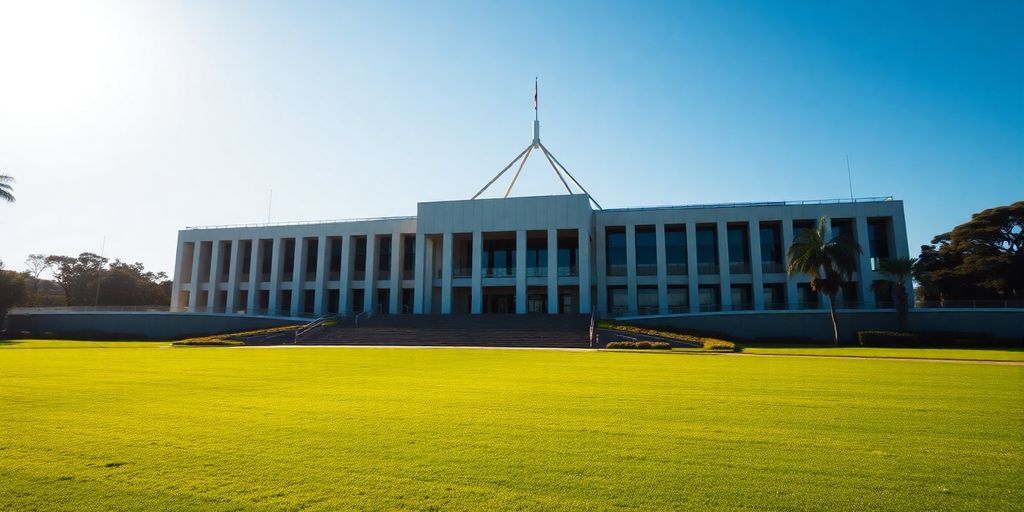
Australia’s electoral system is pretty unique, and honestly, it’s something many people don’t think about much until election time rolls around. It’s all about how we choose our representatives, and there are some key features that make it tick.
Compulsory Voting and its History
So, the deal is, if you’re an Australian citizen and you’re on the electoral roll, you have to vote in federal elections. It’s not just a suggestion; it’s the law. This whole compulsory voting thing wasn’t always the case, though. It sort of crept in state by state, and the reasons behind it were about making sure everyone participated. The idea is that a government elected by a larger portion of the population is more legitimate. If you don’t vote and don’t have a good excuse, you can get a fine. Most people just pay it, but if you don’t, it can go to court. It’s interesting to see how this has shaped voter turnout over the years, which is usually pretty high compared to other countries. You can find out more about the background and history of compulsory voting in Australia on the Australian Electoral Commission website.
The Role of the Australian Electoral Commission
When it comes to running federal elections, the Australian Electoral Commission, or AEC, is the main player. It’s an independent body, set up back in 1984. Their job is pretty big: they manage federal elections and referendums, keep the electoral roll up-to-date, and even register political parties. They’re the ones making sure everything runs smoothly and fairly on election day. They also handle things like redistributing electorates when the population shifts. It’s a pretty important gig, keeping the whole democratic process on track.
Secret Ballot and its Origins
Another big part of our voting system is the secret ballot. This is where you cast your vote privately, so nobody knows who you voted for. It’s often called the ‘Australian ballot’ because Australia was one of the first places to really adopt it widely. Victoria and South Australia brought it in back in 1856. The whole point was to protect voters from pressure or intimidation. It really caught on and spread to other countries because it’s seen as a fair way to vote. It means your choice is your own, no questions asked.
Parliamentary and Responsible Government
Australia’s system of government is a bit of a hybrid, blending parliamentary and responsible government principles. What does that actually mean for us? Well, ‘parliamentary government’ basically says that the people running the country, the Executive Government, have to come from within the Parliament itself. So, the ministers you see on the news, they’re usually also members of either the House of Representatives or the Senate. This means there’s a bit of an overlap between the law-making (legislative) and law-executing (executive) branches, which is different from systems where these are totally separate.
Then there’s ‘responsible government’. This is the big one, and it means the Executive Government has to answer to the Parliament. If the government messes up or loses the confidence of the Parliament, it can be removed. This is a core idea borrowed from the UK’s Westminster system. It’s how we keep the government in check, making sure they’re accountable to the people’s representatives.
Executive Government and Parliamentary Overlap
The Executive Government, led by the Prime Minister and Cabinet, is drawn from the members of Parliament. While the Constitution doesn’t explicitly mention the Cabinet, it’s a convention that has become the main policy-making body. Ministers are appointed from both the House of Representatives and the Senate, though most tend to be from the lower house. This close relationship means the Executive is deeply embedded within the Parliament, which is a key feature of this style of government.
Accountability of Executive to Parliament
This is where the ‘responsible’ part really kicks in. The Executive Government is constantly under scrutiny from Parliament. The opposition party, which is the largest non-government party in the House of Representatives, plays a vital role here, questioning ministers and debating government actions. Beyond the opposition, any member of Parliament can ask questions or raise concerns about what the government is doing. This accountability isn’t just about question time; it extends to debates on legislation, committee inquiries, and even the power of the Parliament to disallow certain government regulations. The government often doesn’t control the Senate, which can also act as a check on executive power.
Formation of Government and the Role of Opposition
After an election, the political party or coalition that can command the support of a majority in the House of Representatives forms the government. The leader of that party becomes the Prime Minister. The party that wins the second-most seats in the House of Representatives becomes the official Opposition. The opposition’s job is to scrutinize the government’s actions and policies, offering an alternative perspective. It’s a pretty important part of how the system works, providing those necessary checks and balances. Without a strong opposition, the government could potentially act with too much unchecked power. It’s all about making sure the government stays honest and effective, and that’s a big part of Australian government responsibilities.
Constitutional Framework and Amendments
The Nature and Supremacy of the Australian Constitution
The Australian Constitution is the rulebook for how our country is run. It’s not like a regular law that Parliament can just change whenever it feels like it. This document is the supreme law of the land, meaning any other law that goes against it is invalid. It sets up the whole government structure, dividing powers between the national government and the states. It’s pretty old, dating back to 1901, and it doesn’t actually list out all the rights citizens have, which is a bit different from some other countries. Think of it as the foundation everything else is built on.
Process for Amending the Constitution
Changing the Constitution isn’t a simple task, and that’s probably a good thing. It’s designed to be difficult to alter, to keep things stable. For a change to happen, a proposed law has to pass both houses of Parliament, but it needs a special kind of majority – an absolute majority, not just a simple one. Then, the proposed change has to go to the public in a referendum. For it to pass, most Australians have to vote ‘yes’, and a majority of people in at least four out of the six states also have to vote ‘yes’. It’s a pretty high bar, and most attempts to change the Constitution haven’t been successful. Out of the 45 proposals put to a vote, only eight have actually become law.
The High Court’s Role in Constitutional Interpretation
The High Court of Australia is the ultimate interpreter of the Constitution. It doesn’t just give opinions; it only weighs in when a specific legal case comes before it that requires a decision on what a part of the Constitution means. Over the years, the High Court’s decisions have really shaped how the Constitution works in practice. Sometimes, their interpretations have given more power to the Commonwealth government at the expense of the states, often because new technologies or situations arose that the original framers of the Constitution couldn’t have predicted. It’s a pretty big job, making sure the Constitution stays relevant.
Powers and Functions of the Commonwealth Parliament

The Commonwealth Parliament is the main law-making body for Australia. It’s made up of the King, represented by the Governor-General, and two houses: the House of Representatives and the Senate. For a bill to become law, both houses have to agree on it. While they generally have the same powers, the Senate has some limits when it comes to introducing or changing certain financial laws. The Parliament also gives the government the go-ahead to spend public money, keeps an eye on what the government is doing, and acts as a place to talk about important public issues. The legislative power of the Commonwealth is vested in this Parliament.
Legislative Powers of the Federal Parliament
The federal Parliament can only make laws on specific topics outlined in the Constitution. These include things like trade between states and countries, foreign relations, defense, immigration, taxes, banking, marriage, and currency. It’s a bit like having a defined list of responsibilities.
Concurrent and Exclusive Commonwealth Powers
Some areas are exclusively the Commonwealth’s to legislate on, meaning the states can’t make laws there. Other areas are called concurrent powers, where both the Commonwealth and the states can make laws. If there’s a conflict, the Commonwealth law usually takes precedence. The states keep the power to make laws on anything not specifically mentioned in the Constitution. It’s a balancing act, really.
Senate’s Role in Financial Legislation
When it comes to money matters, the Senate has a specific role. It can’t start or directly change some financial bills. However, in all other respects, it has the same law-making authority as the House of Representatives, including the power to reject any proposed law. This limitation is a key feature of how Australia’s government is structured, ensuring a particular process for financial bills. You can find more details about how laws are made on the Parliament of Australia website.
The Structure of Australian Government
Australia’s government setup is pretty interesting, really. It’s not just one big blob; it’s actually split into different levels and branches, each with its own job. Think of it like a team where everyone has a specific role to play to keep things running smoothly.
National Government and its Branches
At the top, you’ve got the national government, often called the Commonwealth Government. This is the one that handles stuff affecting the whole country, like defense, foreign affairs, and currency. It’s structured around three main branches, which is a pretty standard setup in many democracies.
- Legislative: This is Parliament, made up of the House of Representatives and the Senate. Their main gig is making laws.
- Executive: This is the Prime Minister and the ministers, who actually run the country day-to-day and put laws into action. They come from Parliament, which is a key feature of how Australia’s government works.
- Judicial: This is the court system, headed by the High Court. They interpret the laws and make sure they’re applied fairly.
The executive power is technically vested in the sovereign, but in practice, it’s exercised by the Prime Minister and Cabinet. The Prime Minister is usually the leader of the political party that wins the most seats in the House of Representatives after an election. It’s a system that’s been around for a while, based on the Westminster model, and it means the government has to answer to Parliament. You can find more details about the national government’s structure and roles on the Parliament of Australia website.
State and Territory Governance
But it doesn’t stop at the national level. Australia is a federation, meaning it’s made up of states and territories, and each of these has its own government. So, you have state parliaments and governments that look after things like education, hospitals, and local roads within their borders. The powers of these state governments are defined by their own constitutions and laws, and they operate on similar principles to the national government, with their own legislative, executive, and judicial branches. It’s a bit like having several layers of government, each with its own responsibilities.
Separation of Powers: Legislative, Executive, and Judicial
This idea of separating powers is pretty important. It’s designed to prevent any one part of the government from becoming too powerful. The legislative branch makes the laws, the executive branch carries them out, and the judicial branch interprets them. While these branches are distinct, in Australia’s parliamentary system, the executive and legislative branches have a significant overlap because ministers are drawn from Parliament. However, there are still checks and balances in place to keep things fair. For instance, the judiciary is independent, meaning judges aren’t influenced by the other branches when making decisions. This division of powers is a core principle that helps maintain a balanced government.
Wrapping It Up
So, that’s a look at how Australia’s political laws work. It’s a system built on a constitution, with power shared between the national government and the states. We’ve seen how laws are made through parliament and court decisions, and how elections keep everything running. It’s a lot to take in, for sure, but understanding these basics helps make sense of how the country is run. It’s not always simple, but that’s politics, right?
Frequently Asked Questions
What is Australia’s government system like?
Australia has a federal system, meaning power is shared between the national government (called the Commonwealth) and the six states. Think of it like a team where different players have different jobs, but they all work together for the same country. The Constitution is the rulebook that explains who does what.
Where do Australian laws come from?
Australia’s laws come from two main places: court decisions made by judges, and laws made by parliament. It’s like getting rules from both your teachers and the school principal.
Do people in Australia have to vote?
In Australia, voting is compulsory for citizens in federal elections. This means you have to show up and vote, or you might get a small fine. It’s been a part of the system for a long time to make sure everyone participates.
Who runs the elections in Australia?
The Australian Electoral Commission (AEC) is the group in charge of running national elections. They make sure everything is fair and that everyone who is eligible gets to vote.
How does Australia’s government work?
Australia’s government is a parliamentary democracy. The people who run the country (the Executive Government) are chosen from the members of Parliament. This means the government has to answer to Parliament, which is made up of elected representatives.
How can Australia’s Constitution be changed?
Changing the Australian Constitution is a big deal! It requires not only the Parliament to agree but also a vote by the Australian people in a special election called a referendum. It’s like needing everyone in the class to agree before changing the main school rules.